

Integrating Agriculture, Culture, and Scenic Experiences
Sri Lanka’s central highlands, often referred to as the “Tea Country,” are renowned for their rolling green plantations, mist-covered mountains, and colonial-era estates. Beyond their agricultural significance, these regions offer immense potential for tourism, combining scenic beauty, cultural heritage, and immersive experiences. For policymakers, hospitality leaders, and investors, strategically developing Tea Country tourism can create a unique travel corridor that attracts high-value visitors, diversifies the tourism portfolio, and strengthens regional economic growth.
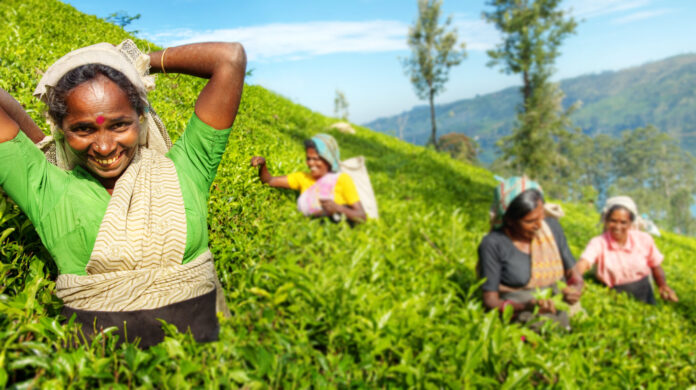
Tea plantations are more than an agricultural asset; they are a cultural and historical symbol of Sri Lanka. Estates such as Nuwara Eliya, Hatton, and Ella provide visitors with a glimpse into the island’s colonial past, tea production processes, and the daily lives of local communities. Guided tours of factories, interactive tea-tasting experiences, and participation in plucking and processing rituals allow travelers to engage deeply with the landscape and its people. By integrating agriculture, culture, and scenic exploration, operators can offer authentic, high-value experiences that go beyond conventional sightseeing.
The appeal of Tea Country tourism lies not only in visual beauty but also in experiential engagement. Walking and cycling trails through plantations, trekking to waterfalls, and visits to historic estates provide adventure and wellness elements for visitors. Luxury boutique resorts and eco-lodges, designed to blend seamlessly with the environment, can offer wellness programs, nature-focused retreats, and culinary experiences featuring local produce. This integration of activity, relaxation, and cultural immersion positions the region as a holistic travel corridor for discerning international and domestic tourists.
Operationally, developing Tea Country tourism requires careful planning to ensure sustainability and community inclusion. Infrastructure improvements, such as roads, signage, and eco-friendly accommodation, should minimize environmental impact while enhancing visitor access and comfort. Local communities can play a vital role in the tourism ecosystem, providing guiding services, cultural performances, and artisanal products. Involving locals ensures economic benefits are distributed regionally, strengthens social cohesion, and fosters stewardship of natural and cultural assets.
Technology and data-driven insights are key enablers of strategic tourism development. Mobile platforms, digital maps, and booking systems allow operators to curate personalized itineraries, provide real-time updates, and manage visitor flow efficiently. Social media and digital storytelling amplify the region’s unique appeal, highlighting scenic vistas, cultural narratives, and sustainable practices. By leveraging technology, tourism operators can enhance the guest experience, optimize operational efficiency, and increase visibility in competitive global markets.
Marketing and branding strategies are critical for positioning Tea Country as a distinctive travel corridor. Storytelling that emphasizes the intersection of nature, culture, and agriculture differentiates the destination from other tropical or highland regions. Partnerships with international travel platforms, influencers, and niche tour operators can help reach high-value travelers seeking immersive, authentic experiences. Emphasizing sustainability, wellness, and cultural authenticity strengthens brand equity and aligns with global tourism trends toward responsible travel.
Financially, Tea Country tourism presents opportunities for premium offerings, longer stays, and higher visitor spend. Multi-day packages combining plantation tours, trekking, cultural activities, and luxury accommodation allow operators to maximize revenue per guest. Investors can explore integrated tourism ventures, combining hospitality, experience-based services, and sustainable practices, thereby creating diversified revenue streams while adhering to environmental and social governance principles.
Policy and regulatory support are also critical. Incentives for eco-lodges, sustainable infrastructure, and community-based tourism initiatives encourage private sector participation. Preservation of natural and cultural resources through zoning, heritage protection, and environmental regulations ensures the long-term viability of Tea Country tourism. Coordinated efforts between government agencies, local communities, and private operators create a governance framework that balances growth with conservation.
In conclusion, Sri Lanka’s Tea Country offers a compelling opportunity to integrate agriculture, culture, and scenic experiences into a high-value tourism corridor. By combining immersive activities, sustainable infrastructure, community engagement, and strategic marketing, stakeholders can attract premium travelers, generate regional economic growth, and preserve the cultural and natural heritage of the highlands. For C-suite leaders, investors, and policymakers, developing Tea Country tourism is not just a business initiative, it is a strategic investment in Sri Lanka’s identity, economic resilience, and long-term global tourism competitiveness.