

Leveraging Festivals, Culture, and Climate to Boost Visitor Numbers
Sri Lanka’s tourism sector is uniquely influenced by its diverse climate patterns, rich cultural calendar, and vibrant festivals. From the sacred Esala Perahera in Kandy to the colorful Vesak celebrations and coastal beach seasons, these seasonal events provide strategic opportunities for hospitality operators, policymakers, and investors to align marketing, service offerings, and infrastructure with peak periods. For C-suite leaders, the ability to leverage seasonal tourism is a critical factor in maximizing revenue, optimizing resource allocation, and enhancing visitor experiences.
Seasonal tourism requires a deep understanding of both environmental and cultural cycles. Sri Lanka experiences two main monsoon periods, which influence coastal and inland travel patterns. By analyzing climatic data, operators can strategically promote destinations during favorable conditions, ensuring high occupancy and optimal visitor satisfaction. For example, the southern and western beaches attract more tourists during the northeast monsoon, while the central highlands and eastern coast thrive during the southwest monsoon. Integrating weather data into marketing campaigns allows operators to time promotions, packages, and events to match optimal travel windows.
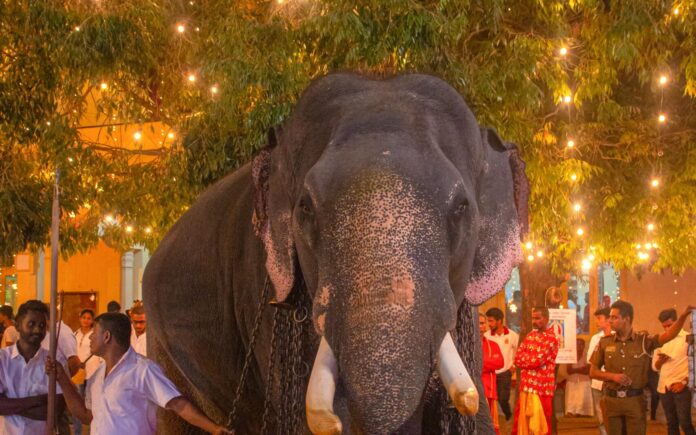
Cultural and religious festivals offer additional leverage for seasonal tourism strategies. Events such as the Kandy Esala Perahera, Kataragama Pilgrimage, and Sinhala and Tamil New Year draw both domestic and international travelers seeking authentic cultural experiences. Hospitality operators can curate festival-focused packages that combine accommodation, guided tours, culinary experiences, and transportation. Such offerings not only increase occupancy rates but also enhance per-visitor spend, as travelers are willing to pay a premium for immersive and exclusive experiences aligned with local traditions.
Marketing strategies aligned with seasonal tourism are essential for strategic positioning. Digital campaigns, social media engagement, and targeted promotions can highlight specific events, festivals, or climatic advantages to prospective travelers. For instance, promoting eco-adventures in the highlands during the dry season, or wellness retreats in coastal areas during off-peak periods, helps maintain consistent visitor flow throughout the year. By leveraging both climate and cultural calendars, operators can reduce seasonality-driven revenue fluctuations and create a more resilient tourism business model.
Operationally, seasonal tourism necessitates dynamic resource management. Staffing levels, inventory, and service offerings must be adjusted to match peak and off-peak demand. Predictive analytics and data-driven planning allow hospitality managers to anticipate guest volumes, optimize supply chains, and maintain service quality even during high-demand periods. Seasonal adjustments to pricing, promotions, and package offerings further enable operators to maximize revenue while ensuring operational efficiency.
Community engagement plays a strategic role in seasonal tourism. Local populations benefit economically from increased demand for cultural performances, handicrafts, guided tours, and festival-related services. By integrating community participation into tourism planning, operators not only enhance authenticity but also ensure that the economic benefits of peak periods are shared locally. Such engagement strengthens social buy-in, encourages cultural preservation, and reinforces the sustainability of seasonal tourism initiatives.
Sustainability considerations are increasingly critical. High visitor concentrations during peak seasons can strain local infrastructure, natural resources, and heritage sites. Strategic planning, including crowd management, eco-friendly transport, waste management, and sustainable accommodation practices, minimizes environmental impact while maintaining quality visitor experiences. For investors and policymakers, embedding sustainability into seasonal tourism planning ensures long-term viability and enhances the destination’s global reputation.
Financially, aligning marketing and service offerings with seasonal demand enables operators to maximize profitability. Peak periods allow for premium pricing, bundled packages, and targeted promotional campaigns, while off-peak periods can be leveraged to attract niche segments such as wellness travelers, eco-tourists, or corporate retreats. By creating year-round engagement strategies, hospitality businesses can reduce dependency on single peak periods and achieve stable, predictable revenue streams.
Policy frameworks and regulatory support are essential to optimize seasonal tourism. Governments can facilitate infrastructure readiness, safety regulations, and promotional campaigns that align with cultural events and climatic patterns. Incentives for sustainable practices, community-based initiatives, and festival-driven tourism encourage private sector participation while maintaining the integrity of cultural and natural resources.
In conclusion, Sri Lanka’s diverse climate, rich cultural festivals, and seasonal dynamics present strategic opportunities to enhance tourism revenue, visitor satisfaction, and regional economic development. By integrating climate and cultural insights into marketing, operational planning, and community engagement, stakeholders can design tourism offerings that maximize impact while preserving authenticity and sustainability. For C-suite leaders, investors, and policymakers, mastering seasonal tourism strategies is a critical pathway to long-term competitiveness, operational efficiency, and economic resilience in Sri Lanka’s vibrant tourism sector.