
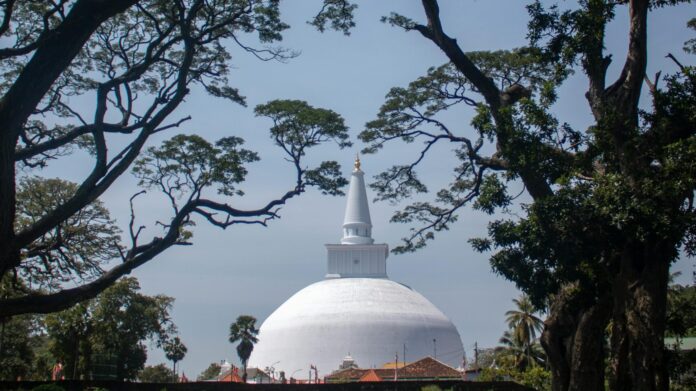

Promoting Sri Lanka’s Ancient Cities and Temples
Sri Lanka’s rich cultural heritage is among its most valuable strategic assets. Ancient cities, sacred temples, and archaeological sites spanning millennia not only embody the nation’s history and identity but also offer immense potential for sustainable tourism development. For policymakers, hospitality leaders, and investors, leveraging these assets requires a strategic approach that integrates heritage conservation with economic growth, ensuring that tourism strengthens rather than undermines the cultural fabric.
Cultural heritage tourism attracts travelers seeking authenticity, education, and immersive experiences. Sites such as Anuradhapura, Polonnaruwa, Sigiriya, and Kandy’s sacred temple of the Tooth are iconic examples that combine historical significance with visual and spiritual appeal. However, beyond these well-known locations lie smaller, underexplored temples and ancient towns that hold untapped potential for tourism expansion. Strategically curating experiences across both established and emerging sites allows Sri Lanka to diversify its cultural tourism portfolio while managing visitor flow and minimizing over-tourism in sensitive areas.
Preservation of heritage is central to sustaining tourism value. Infrastructure development must balance accessibility with protection, ensuring that increased footfall does not compromise structural integrity or cultural significance. Investment in conservation, site management, and visitor education is essential. For example, carefully designed pathways, digital guides, and interpretive signage can enhance visitor understanding while protecting fragile monuments. For investors and operators, such initiatives align tourism revenue generation with long-term sustainability, creating a model that supports both heritage and profitability.
Technology plays a transformative role in modern cultural tourism. Digital platforms, augmented reality (AR), and mobile applications can bring ancient cities and temples to life, offering interactive storytelling, historical context, and immersive learning experiences. Virtual tours allow global audiences to explore heritage sites remotely, creating marketing opportunities and expanding reach. AI-powered analytics can also monitor visitor behavior, optimize crowd management, and guide infrastructure investment decisions. Strategic integration of technology not only enhances the visitor experience but also protects heritage assets, a critical consideration for long-term investment planning.
Community engagement is another essential pillar. Local communities can benefit economically and socially through heritage tourism by providing guided tours, cultural demonstrations, handicrafts, and hospitality services. Such engagement ensures that tourism revenue circulates within the region, reinforcing social cohesion and cultural pride. Public-private partnerships that involve local stakeholders in planning, operation, and profit-sharing strengthen resilience, ensuring that conservation and tourism objectives are mutually reinforcing.
Strategically, marketing and branding are vital to position Sri Lanka as a premier cultural destination. Storytelling that highlights historical narratives, spiritual significance, and unique cultural practices can differentiate the country in a competitive global market. Collaborations with international travel platforms, cultural institutions, and influencers help create aspirational experiences while emphasizing authenticity and responsible tourism. By targeting niche segments, including heritage enthusiasts, spiritual travelers, and academic tourists, Sri Lanka can attract high-value visitors who appreciate and invest in the cultural journey.
Financially, cultural heritage tourism offers opportunities for premium offerings and long-term revenue. Luxury cultural tours, curated pilgrimage experiences, and immersive multi-day itineraries command higher pricing while enhancing visitor satisfaction and loyalty. Investors and operators can also leverage sustainable finance mechanisms, including green bonds and heritage-linked ESG funds, to support conservation projects, infrastructure upgrades, and innovative visitor experiences. Aligning profitability with preservation ensures that economic incentives reinforce the long-term protection of Sri Lanka’s cultural assets.
Policy support is equally critical. Regulations that govern site management, visitor access, and conservation standards provide a framework for sustainable development. Incentives for private investment, tax benefits for restoration projects, and funding for heritage promotion can encourage strategic growth. Governments and tourism authorities that implement clear governance structures ensure that heritage sites remain both accessible and protected, maximizing economic, cultural, and social returns.
In conclusion, Sri Lanka’s ancient cities and temples are strategic assets with the potential to drive sustainable tourism growth while preserving the nation’s cultural legacy. By integrating conservation with technology, community engagement, strategic marketing, and policy support, stakeholders can create a resilient tourism ecosystem that balances economic returns with cultural integrity. For C-suite leaders, investors, and policymakers, the challenge, and opportunity, is to design tourism models that transform heritage into a sustainable economic engine while safeguarding the stories, traditions, and monuments that define Sri Lanka’s identity.