

Strategic Interventions for Health and Business
Air pollution has emerged as one of the most pressing challenges for South Asia’s rapidly urbanizing regions. Cities such as Delhi, Dhaka, Colombo, and Karachi consistently rank among the world’s most polluted urban centers, with severe consequences for public health, economic productivity, and industrial operations. Poor air quality leads to respiratory and cardiovascular diseases, increases healthcare costs, reduces workforce efficiency, and can disrupt supply chains. For policymakers, corporate leaders, and investors, strategic interventions in air quality management are no longer optional, they are critical for sustaining economic growth, protecting human capital, and ensuring long-term competitiveness.
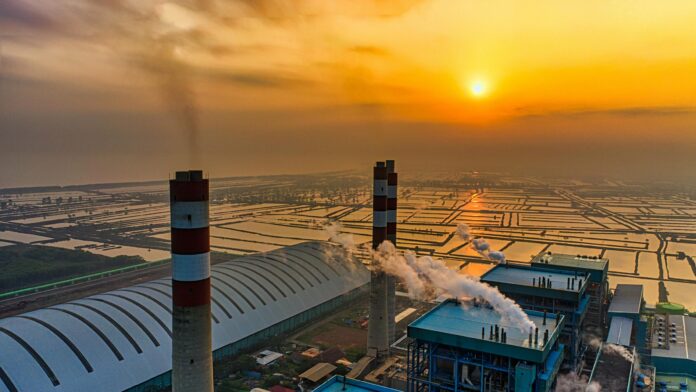
The sources of urban air pollution in South Asia are diverse and interconnected. Industrial emissions, construction dust, vehicular exhaust, and energy generation collectively contribute to high levels of particulate matter, nitrogen oxides, and volatile organic compounds. Seasonal factors, such as crop residue burning and temperature inversions, exacerbate the problem, creating periods of acute pollution. The economic impact is tangible: decreased worker productivity, increased absenteeism, higher healthcare expenditure, and reduced attractiveness of cities for talent and investment. Corporate operations, particularly those with outdoor labor or energy-intensive processes, are directly affected by both regulatory responses and environmental degradation.
Strategic air quality management requires a multi-pronged approach integrating monitoring, regulation, and industrial innovation. Advanced monitoring systems provide real-time data on pollutants, enabling authorities to identify hotspots, implement targeted interventions, and evaluate the effectiveness of policies. Data-driven strategies allow for proactive management rather than reactive responses, ensuring that cities and industries can maintain operational continuity while minimizing health risks.
Regulatory frameworks are equally crucial. Governments must set enforceable standards for emissions from industry, transport, and energy sectors. Incentives for adoption of clean technologies, coupled with penalties for non-compliance, create an environment where environmental responsibility aligns with business performance. Regulations that promote cleaner fuels, electrification of transport, and industrial emission controls can drive both immediate improvements in air quality and long-term shifts toward sustainable urban development. Clear, predictable regulatory systems also enhance investor confidence and reduce operational uncertainty for multinational corporations and regional businesses.
Industrial innovation plays a critical role in sustainable air quality management. Adoption of low-emission manufacturing processes, renewable energy, and energy-efficient equipment reduces pollutant output while lowering operational costs. Process optimization, automation, and closed-loop production systems further minimize environmental impact. Companies that invest strategically in industrial innovation gain multiple benefits: compliance with increasingly stringent regulations, improved corporate reputation, reduced risk of litigation or penalties, and enhanced access to international markets where environmental standards are stringent.
Financial strategies can support both public and private air quality initiatives. Green financing, sustainability-linked loans, and public-private partnerships enable investment in pollution control infrastructure, industrial upgrades, and urban clean-energy projects. Cities that collaborate with corporations on air quality improvement, such as electrification of transport fleets or industrial emission retrofits, achieve better environmental outcomes while sharing costs and benefits strategically. These investments enhance urban resilience, create new market opportunities, and generate measurable ESG returns for businesses.
Urban air quality management also intersects with broader climate and sustainability objectives. Reduced pollution contributes to lower greenhouse gas emissions, aligns with global carbon reduction commitments, and improves overall urban livability. Companies and governments that integrate air quality initiatives into broader sustainability strategies strengthen long-term competitiveness, attract talent, and demonstrate leadership in global environmental stewardship.
Ultimately, air quality in South Asian cities is both a public health concern and a strategic business issue. For C-suite leaders, proactive engagement in monitoring, regulatory compliance, and industrial innovation safeguards operational continuity, enhances ESG performance, and positions firms as responsible corporate citizens. For policymakers, integrating technological, regulatory, and financial tools ensures cities remain economically vibrant, environmentally sustainable, and resilient against future challenges.
In conclusion, strategic air quality management in South Asia requires coordination across sectors, technologies, and governance systems. By combining monitoring, regulation, and industrial innovation, cities can protect public health, sustain economic productivity, and create environments conducive to investment and growth. For businesses and governments alike, air quality is no longer an environmental footnote, it is a core strategic priority that shapes the future of urban development, industrial competitiveness, and regional prosperity.