
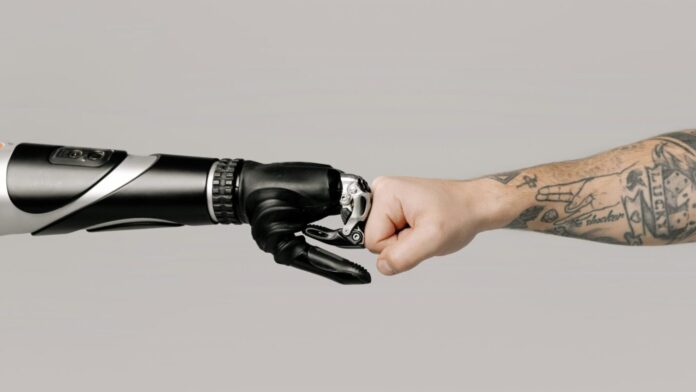

Beyond Algorithms and Automation
Frontpage Journal | Tech Insights
Artificial intelligence has become an inseparable part of modern life, influencing how people shop, work, communicate, and make decisions. Yet as AI systems grow more powerful, questions about fairness, transparency, and accountability have become central to public debate. The more advanced the technology, the greater the need for trust. Building digital trust in the age of AI is not simply about protecting data or complying with regulations; it is about ensuring that technology serves people in a way that is ethical, explainable, and aligned with human values.
In the early days of automation, efficiency was the primary goal. Today, it is trust that determines success. Businesses deploying AI face a paradox: while automation promises speed and precision, it also raises anxiety among consumers and employees who fear being misrepresented or replaced by machines. When algorithms recommend products, decide loan approvals, or filter job candidates, they influence human opportunity. This power demands accountability. A system that cannot explain its decisions, or one that amplifies social bias, erodes the very confidence needed to sustain digital progress.
Recent global surveys show that trust in AI remains fragile. Many users welcome convenience but express unease about how their personal data is used or how automated systems reach conclusions. A report by the World Economic Forum noted that transparency is the single strongest factor influencing whether people trust AI. When companies communicate clearly about how their algorithms function and what data they collect, they foster understanding rather than suspicion. Conversely, when AI operates as a “black box,” even the most sophisticated innovations can trigger public backlash and regulatory scrutiny.
This makes “explainable AI” one of the most critical frontiers in the digital economy. Businesses that prioritize interpretability, making sure users and regulators can understand why AI makes certain choices, are more likely to retain public confidence. For example, in the financial sector, ethical AI guidelines are being developed to ensure that credit scoring systems are fair and auditable. In healthcare, AI diagnostics must show not only accuracy but also clarity, allowing medical professionals to trust and verify results. The principle is simple: people do not trust what they cannot see or understand.
Governance frameworks are now catching up to these realities. The European Union’s AI Act and similar regulatory efforts in Asia and North America emphasize accountability, risk management, and human oversight. These laws signal that trust is not an optional virtue but a competitive necessity. Forward-thinking companies are embedding ethics committees, algorithm audits, and bias detection protocols into their innovation pipelines. This approach transforms digital governance from a compliance exercise into a brand advantage.
In Sri Lanka and other emerging economies, AI adoption offers vast potential but also carries the risk of public skepticism. Building trust at this stage is essential to avoid future resistance. Local companies can lead by promoting data transparency, explaining automated decision-making, and creating human-in-the-loop systems where technology supports, rather than replaces, human judgment. Such an approach aligns innovation with cultural and social context, making technology more relatable and less intimidating.
Trust in AI is not built through technology alone; it requires consistent behavior from the organizations that design and deploy it. A company that hides behind complexity or treats privacy as a secondary issue may achieve short-term gains but will face long-term distrust. The brands that thrive in the AI era will be those that earn confidence through clarity, responsibility, and fairness. They will treat every algorithm as a reflection of their values, every dataset as a contract with society, and every automation as a test of integrity.
Ultimately, digital trust in AI is not a technical feature but a cultural foundation. It determines whether societies will embrace or reject the technologies shaping their future. As automation becomes more invisible and intelligent, the human responsibility behind it becomes more visible and critical. In this new age, trust is not the by-product of innovation—it is its prerequisite.