

Global trade is undergoing its most significant restructuring since the end of the Cold War. The once-dominant model of hyper-globalization, characterized by open markets, cheap manufacturing, and frictionless cross-border flows, is giving way to a new era defined by regional blocs, geopolitical rivalry, and technology-driven competitiveness. For corporate executives, investors, and policymakers, this transition represents both risk and opportunity, as the rules of global commerce are rewritten in real time.
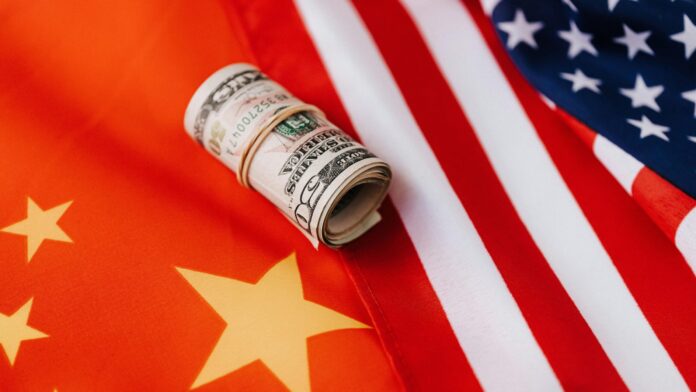
The U.S.-China strategic rivalry sits at the center of this shift. Tariffs, export controls, and technology bans are reshaping supply chains across electronics, semiconductors, and clean energy. Businesses that once relied on China as the “factory of the world” are diversifying into Southeast Asia, India, and Latin America through a strategy known as “China+1.” While decoupling is far from complete, the trend toward selective disengagement is accelerating. For multinational companies, this requires strategic agility, balancing cost efficiency with geopolitical resilience and regulatory compliance.
Europe, meanwhile, is redefining its economic posture by prioritizing strategic autonomy. Energy diversification, digital sovereignty, and sustainability mandates are pushing European firms to innovate while reducing dependence on external suppliers. The EU’s Carbon Border Adjustment Mechanism (CBAM) is particularly transformative, effectively exporting Europe’s environmental standards to global trade partners. For businesses, this signals a new reality: climate policies are becoming trade policies, and compliance is now a prerequisite for market access.
Emerging economies are also reshaping the global trade map. India, Vietnam, Indonesia, and Mexico are positioning themselves as competitive alternatives to China, offering large labor pools, improved infrastructure, and investor-friendly reforms. Africa, supported by the African Continental Free Trade Area (AfCFTA), is beginning to integrate its markets, creating new opportunities for manufacturing, logistics, and digital commerce. These shifts are decentralizing global production and offering businesses unprecedented flexibility in building diversified supply chains.
At the same time, technology is transforming the mechanics of trade itself. AI-powered logistics, blockchain-enabled smart contracts, and digital customs processes are reducing paperwork, accelerating clearance times, and increasing transparency. Cross-border e-commerce is expanding rapidly, enabling small and medium-sized enterprises to sell globally without traditional export barriers. For Gen Z entrepreneurs, this digital architecture removes historic obstacles, allowing even small startups to operate as global brands.
However, the new trade landscape presents serious challenges. Fragmentation increases operational complexity, raises compliance costs, and exposes companies to political risk. Supply chain disruptions driven by climate events, pandemics, and conflicts require advanced risk modelling and contingency planning. Digital trade also brings cybersecurity vulnerabilities as companies rely more heavily on interconnected platforms. On top of this, competition for talent in emerging digital fields AI, robotics, quantum computing, and cybersecurity, is intensifying, putting pressure on both corporations and governments to invest in skill development.
Despite these pressures, the emerging global order presents powerful opportunities. Regional trade alliances from the RCEP in Asia to USMCA in North America are creating new corridors for investment and innovation. Clean energy transitions are generating multi-trillion-dollar markets across electric mobility, green hydrogen, and sustainable manufacturing. Digital platforms are democratizing access to global consumers and reducing barriers to entry. Companies that embrace diversification, sustainability, and technological adaptation will not only survive this transition, but they will lead it.
The next decade of global trade will be defined by strategic foresight. Nations that build resilient supply chains, develop trusted digital infrastructure, and forge strong partnerships will secure long-term growth. Businesses must shift from linear thinking to dynamic adaptation, recognizing that geopolitical uncertainty is now a permanent feature of the global environment.
In this new world, competitive advantage will belong to those who understand the interplay of economics, technology, and diplomacy. Global trade is not disappearing; it is being redesigned. And the leaders who act early, invest wisely, and innovate boldly will shape the architecture of the next global economy.