
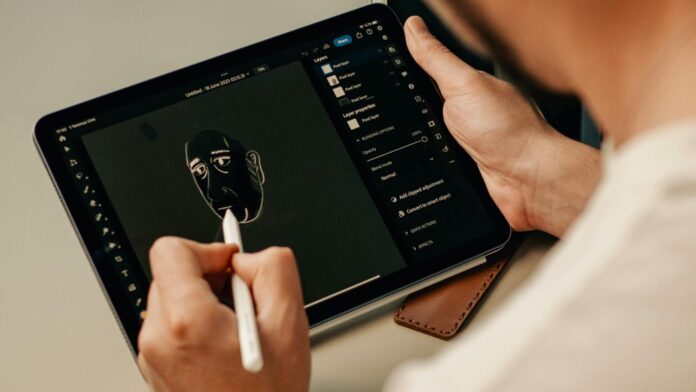

Sri Lanka’s art landscape is undergoing a quiet but powerful transformation. A new generation of artists is emerging, reshaping traditional artistic boundaries while engaging with global conversations on identity, technology, environment, and social change. Unlike earlier periods where artistic expression often followed established aesthetic traditions, today’s contemporary artists are experimenting boldly with form, medium, and narrative.
Young painters and visual artists are increasingly blending classical techniques with modern conceptual thinking. Traditional motifs drawn from temple murals, folklore, and rural life are being reinterpreted through abstract compositions, mixed media installations, and digital art practices. This fusion reflects a generation navigating both heritage and globalization.
Social media has played a defining role in this evolution. Artists no longer rely solely on galleries to gain visibility. Platforms such as Instagram and Facebook have allowed creators to build audiences directly, connect with collectors abroad, and participate in international collaborations. As a result, Sri Lankan art is no longer geographically confined. It travels instantly across borders.
Another defining feature of this new wave is thematic courage. Contemporary artists are addressing issues once rarely explored in mainstream art spaces. Urbanization, migration, climate anxiety, gender identity, and mental health are becoming central subjects. Art has shifted from decorative expression toward dialogue and reflection.
Despite this momentum, structural challenges remain. Limited institutional funding, fewer contemporary art spaces outside Colombo, and the absence of structured art markets continue to restrict growth. Yet these constraints have also fostered resilience. Independent exhibitions, pop-up galleries, and artist-led collectives are filling the gaps.
What is emerging today is not simply a stylistic change but a cultural shift. Sri Lankan contemporary art is moving from preservation alone toward interpretation. Artists are no longer only custodians of tradition. They are storytellers of a rapidly changing society, creating visual languages that speak simultaneously to local memory and global audiences.