

Reviving Traditional Crafts in a Modern Economy
Frontpage Journal | Art & Culture
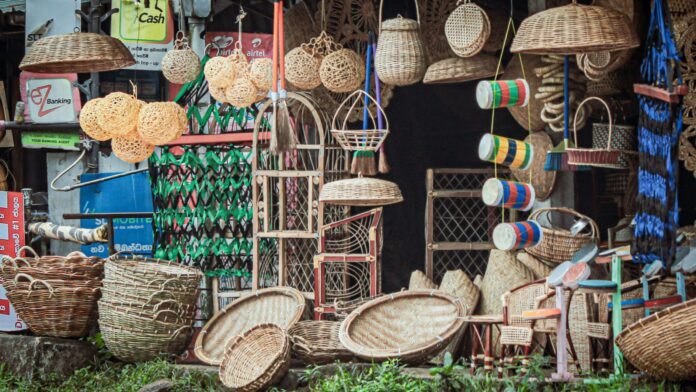
Sri Lanka’s traditional crafts represent centuries of accumulated knowledge, skill, and cultural identity. From batik textiles and handloom weaving to wood carving, pottery, and jewelry making, these crafts once formed the backbone of rural economies. Today, they are finding renewed relevance within a global movement toward sustainability and authenticity.
Modern consumers increasingly value handmade products for their uniqueness and ethical production. This shift has opened new opportunities for Sri Lankan artisans to reposition traditional crafts within contemporary markets. Designers and entrepreneurs are collaborating with craft communities to create products that respect heritage while appealing to modern lifestyles.
Tourism has historically supported craft industries, but reliance on tourist demand alone proved fragile during global disruptions. As a result, many artisans are now exploring online marketplaces and export channels. Digital platforms allow craftspeople to reach international buyers directly, transforming local skills into global products.
Innovation is becoming essential for survival. Younger artisans are experimenting with new color palettes, functional designs, and environmentally friendly materials. Traditional techniques are being applied to modern home décor, fashion accessories, and lifestyle products, expanding market appeal without losing authenticity.
However, challenges remain. Limited access to financing, declining interest among younger generations, and competition from mass-produced imports threaten the continuity of many craft traditions. Sustained policy support, design education, and market access are critical to ensuring long-term sustainability.
Reviving traditional crafts is not merely an economic effort. It is a cultural responsibility. Each handcrafted object carries stories of community, patience, and human touch. In an age of industrial uniformity, handmade Sri Lanka offers something increasingly rare: identity shaped by skill and tradition.