

The Evolution of Sri Lankan Visual Art
Frontpage Journal | Art & Culture
Sri Lanka’s visual art tradition stretches back more than two millennia, forming one of the island’s most enduring cultural legacies. From ancient cave paintings to contemporary gallery works, the evolution of Sri Lankan art reflects the nation’s spiritual, political, and social transformations.
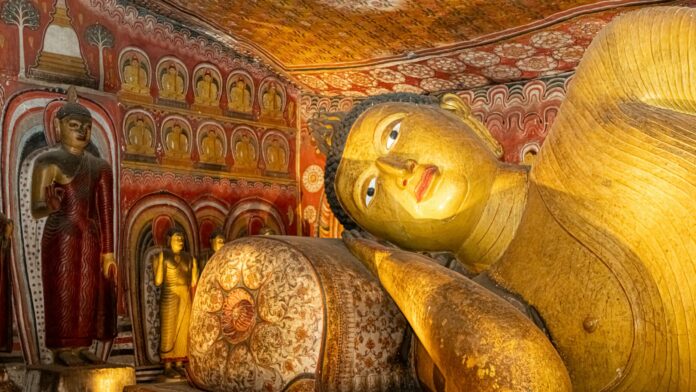
Early artistic expression was deeply intertwined with religion. Temple murals in places such as Sigiriya and later Kandyan-era temples served not merely decorative purposes but educational ones, narrating Buddhist stories for communities through visual storytelling. Artists worked collectively, guided by symbolic conventions rather than individual recognition.
During the Kandyan period, Sri Lankan painting developed a distinctive identity marked by rhythmic composition, stylized human figures, and rich natural pigments. Art was functional, spiritual, and communal. Individual artistic fame was secondary to cultural continuity.
Colonial encounters introduced Western artistic techniques, including perspective, realism, and portraiture. Art schools established during the British period exposed local artists to European academic traditions, gradually shifting art toward individual expression. This period produced artists who began experimenting with combining Eastern themes and Western methods.
Following independence, Sri Lankan art entered a period of experimentation and national reflection. Artists sought to define a post-colonial identity, blending indigenous symbolism with modernist influences. Galleries began to emerge as platforms for individual artistic voices rather than collective religious expression.
Today’s artists stand at the intersection of these histories. While modern canvases may appear radically different from temple murals, the underlying narrative impulse remains unchanged. Sri Lankan art continues to tell stories, interpret belief systems, and document lived experience.
The journey from sacred walls to contemporary galleries illustrates not a break from tradition but an ongoing dialogue between past and present. Each generation reinterprets heritage, ensuring that Sri Lankan visual art remains both rooted and evolving.