
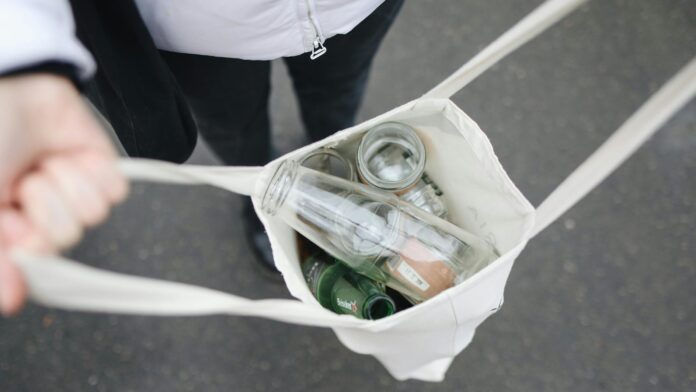

Traditional linear economic models, where products are produced, consumed, and discarded, are increasingly unsustainable in resource-constrained environments. Rising waste volumes, landfill expansion, and plastic pollution present mounting risks to ecosystems, public health, and urban infrastructure. The transition to a circular economy offers South Asia a strategic opportunity to transform waste into economic value while strengthening environmental stewardship.
A circular economy focuses on extending product lifecycles through reuse, recycling, repair, and resource recovery. Industries that redesign products for durability and material efficiency reduce production costs while minimizing environmental impact. Waste generated from manufacturing can be repurposed as input material for other industries, creating new supply chains and business models.
Municipal waste systems benefit significantly from circular practices. Segregation at source, composting of organic waste, and structured recycling networks reduce landfill dependence and create employment opportunities in recycling and material-processing sectors. Digital waste-tracking systems further improve transparency and accountability across value chains.
Corporate engagement is essential. Organizations that integrate circular design principles enhance ESG performance, strengthen brand trust, and gain priority access to sustainability-driven markets and global trade networks. Green financing mechanisms and innovation grants accelerate the adoption of circular manufacturing technologies.
For policymakers, clear regulatory frameworks and infrastructure investments form the foundation of circular transformation. Standards for recyclable materials, extended producer responsibility policies, and incentives for eco-design encourage industries to move from resource consumption toward resource regeneration.
The circular economy is more than an environmental initiative; it is a strategic industrial shift that promotes resilience, innovation, and long-term value creation.