
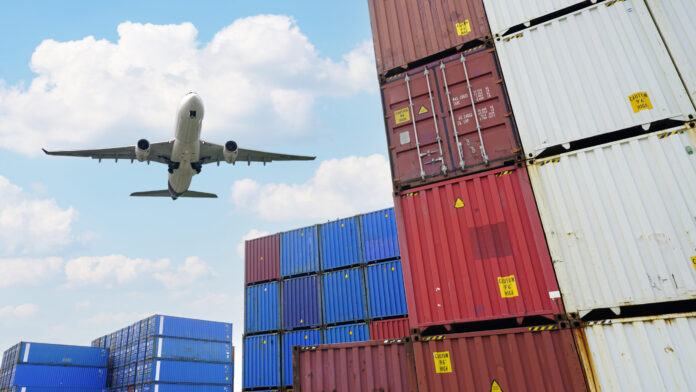

Driving Sri Lanka’s Next Wave of Trade Competitiveness
As global trade patterns shift and sustainability becomes the new measure of competitiveness, the world’s leading maritime economies are rethinking their port and logistics strategies. The era of traditional cargo management is fading, replaced by intelligent, tech-driven systems that prioritize speed, transparency, and carbon efficiency. For Sri Lanka, whose geography places it at the crossroads of major global shipping routes, this transformation presents both an opportunity and an imperative. Smart logistics and green port development could redefine the nation’s economic future, positioning it as a competitive hub in the emerging sustainable trade network of the Indian Ocean.
The logistics and port sectors are now among the most technologically dynamic in the global economy. Automation, artificial intelligence, and digital connectivity are reshaping how goods move from manufacturers to markets. The world’s most efficient ports, from Singapore to Rotterdam, have invested heavily in real-time tracking systems, predictive analytics, and integrated digital logistics platforms. These innovations minimize congestion, reduce costs, and improve turnaround times, offering a decisive competitive edge. For Sri Lanka, embracing similar systems is not simply about modernization; it is about survival in a world where speed and sustainability increasingly dictate trade success.
Colombo Port already holds a strategic position as one of South Asia’s busiest transshipment hubs, handling a significant portion of regional cargo. Yet, the long-term potential extends far beyond throughput numbers. By integrating digital logistics solutions such as blockchain-based cargo tracking, automated customs clearance, and AI-driven port scheduling, Sri Lanka could enhance transparency, reliability, and trust within its supply chains. These capabilities would strengthen the nation’s attractiveness to global shipping lines and multinational logistics operators seeking efficient, low-risk routes.
Equally vital is the shift toward environmental sustainability in port operations. Green ports—those that minimize emissions, conserve energy, and adopt circular economy practices—are becoming global benchmarks of competitiveness. The European Union, Japan, and Singapore are already investing in renewable-powered port facilities, electric cargo handling equipment, and waste-to-energy programs. For Sri Lanka, with its growing renewable energy capacity, the opportunity lies in positioning Colombo, Hambantota, and Trincomalee as environmentally responsible maritime gateways. Implementing shore-to-ship power connections, promoting low-emission vessels, and optimizing fuel use through data analytics could make Sri Lanka one of the first carbon-conscious port systems in South Asia.
This transformation is not purely technical, it is strategic. Smart logistics and green ports create value well beyond the docks. They enable faster customs clearance, reduce inventory costs for manufacturers, and improve export competitiveness across sectors from apparel to agriculture. Efficient logistics systems also attract foreign direct investment, as international companies increasingly factor sustainability performance into their site selection criteria. In a region where supply chain reliability is becoming as critical as cost, Sri Lanka’s ability to offer both technological sophistication and environmental responsibility could set it apart.
The country’s location gives it a rare advantage. Positioned at the maritime crossroads between East Asia, the Middle East, and Africa, Sri Lanka has long been a stopover in global sea routes. However, proximity alone no longer guarantees relevance. To maintain its edge, the nation must evolve from being a convenient port to becoming a smart trade ecosystem. This means linking ports, airports, industrial zones, and inland logistics centers through digital networks that enable seamless cargo movement and real-time coordination among stakeholders.
Partnerships with global technology providers, investment in digital training for port workers, and collaboration with regional maritime authorities will be essential to realizing this vision. The private sector too has a critical role to play. From adopting cleaner energy sources to experimenting with automated storage and retrieval systems, private logistics companies can accelerate the transition by integrating sustainability into their operational DNA.
If executed with foresight, Sri Lanka’s smart logistics and green port strategy could do more than enhance efficiency, it could reshape the nation’s economic narrative. By aligning trade infrastructure with global environmental and technological trends, Sri Lanka can position itself as a resilient, future-ready hub that attracts investment, drives exports, and contributes meaningfully to regional sustainability goals.
The future of global trade will belong to countries that move goods intelligently and responsibly. Sri Lanka stands at the threshold of that future. By investing in digitalization, automation, and green infrastructure today, it can ensure that its ports remain not only gateways of commerce but also symbols of innovation, sustainability, and national progress.